
- By Charlotte Brown
- September 17, 2026
Texture is doing more work on the plate than most people realize. From a sauce that clings instead of pooling to a glaze that stays glossy instead of weeping, or a foam that holds its shape under a spoon. This all happens because a chef reached for the right texturizing ingredient and used it with intent.This guide walks through how professional kitchens use xanthan gum, agar, and a handful of other hydrocolloids to build texture deliberately, plus how to figure out which one fits the dish you're building.
Key Takeaways:
- Xanthan gum thickens and stabilizes liquids without changing their flavor, making it a go-to for vinaigrettes, sauces, and gluten-free baking.
- Agar for cooking is a plant-based gelling agent derived from red algae that sets at room temperature and holds its structure under heat, unlike gelatin.
- The global food texture ingredients market is projected to grow from $17.47 billion in 2026 to $28.50 billion by 2034, according to Straits Research's Food Texture Market report, a sign that texture has become a real point of differentiation in the food industry.
- Choosing the right ingredient comes down to four questions: how it sets, how it reacts to heat and acid, what mouthfeel you're after, and whether it needs to be vegan or allergen-friendly.
What Role Does Texture Play in Modern Cooking?
Texture shapes how a dish is perceived before flavor even registers, which is why more kitchens are treating it as a design choice rather than a byproduct of cooking.
A silky sauce, a crisp shell, or a cloud-like foam all send signals about freshness and craftsmanship that flavor alone can't send.
The Food Texture Market report from Straits Research values the category at $17.47 billion in 2026, growing at a 6.31% CAGR through 2034, evidence that demand for engineered texture in cooking is climbing steadily across both retail and foodservice.
What Is Mouthfeel?
Mouthfeel, in culinary terms, is the physical and textural sensation a food creates in the mouth, including its thickness, creaminess, chew, and how it breaks apart. It's a distinct variable from flavor, and it's the thing hydrocolloids like xanthan gum and agar are built to control.
Our Take: The kitchens getting the most mileage out of texture aren't the ones piling on the most exotic ingredients. They're the ones using one or two texturizing agents with real precision, dialing in the exact percentage that gets a sauce or gel to behave the way they want.
How Do Chefs Use Xanthan Gum in Cooking to Control Texture?
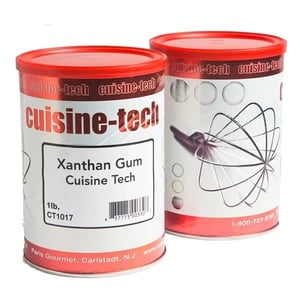
Chefs use xanthan gum in cooking to thicken and stabilize liquids without altering their flavor, color, or clarity. It's a polysaccharide that goes to work in very small quantities, typically somewhere between 0.1% and 0.5% of a liquid's total weight, which makes it easy to dial in a texture without diluting or muddying the base ingredient.
In practice, that shows up in a few recurring ways:
- Vinaigrettes and dressings that stay emulsified instead of separating on the plate or in the bottle.
- Sauces and purees that hold a cleaner line when plated, since xanthan gum resists breaking down under heat or acid.
- Gluten-free baking, where it replaces the elasticity and structure gluten would otherwise provide.
- Suspensions, keeping spices, herbs, or particulates evenly distributed through a liquid instead of settling to the bottom.
Because it works at such low doses and doesn't require heat to activate, xanthan gum is often the first texturizing ingredient chefs reach for when they want control without complexity.
Check out Cuisine Tech's Xanthan Gum →
What Is Agar Used for in Cooking?
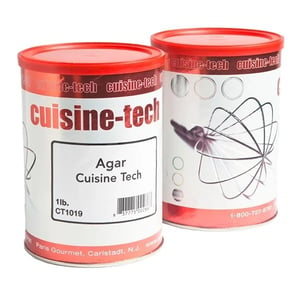
Agar is used to set liquids into firm, sliceable, or spreadable gels, and chefs favor it because it holds its structure at room temperature and doesn't melt back down the way gelatin does. It's a plant-derived gelling agent extracted from red algae, which also makes it a vegan and vegetarian-friendly alternative to gelatin in dishes where that matters.
Agar (sometimes labeled agar-agar) is a heat-activated hydrocolloid. That means it needs to be brought to a near boil to dissolve, then it sets firm as it cools, and stays set even if the finished dish is served warm. That thermo-irreversible quality is the main thing separating it from gelatin, which softens again under heat.
Dosage depends heavily on the application. As a reference point, Cuisine Tech's own Agar is typically used at around 0.2% for hot flat icings, 0.5% to 1.0% for doughnut glazes, and 0.3% to 1.8% for jelly candies and marshmallows, with higher concentrations producing a firmer set. It's also commonly used to prevent sugar crystallization in glazes, which keeps them from chipping, cracking, or weeping over time.
What Other Ingredients Do Chefs Use to Build Texture?
Xanthan gum and agar cover a lot of ground, but most professional kitchens keep a small toolkit of texturizing ingredients on hand for jobs those two can't do alone.
Pectin, sodium alginate, and carrageenan each behave differently once they hit heat, acid, or calcium, so why keep more than two on the shelf? Because each one unlocks a texture the others can't reliably produce.
Common Texturizing Ingredients Beyond Xanthan Gum and Agar |
||
|---|---|---|
|
Ingredient: |
How It Sets: |
Common Kitchen Use: |
|
Thermo-Reversible Pectin |
Gels with calcium, re-melts under heat |
Warm and cold fruit gels, glazes that need to be reheated |
|
Sodium Alginate |
Sets instantly on contact with calcium |
Spherification, caviar-style pearls, thin gel skins |
|
Iota Carrageenan |
Sets into a soft, flexible gel, often with dairy |
Creamy gels, dairy-based desserts, soft-set custards |
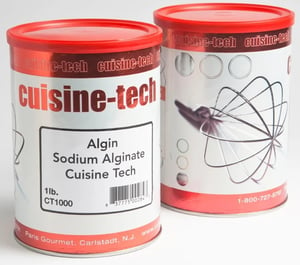
Need one of the specialty options? Cuisine Tech's Sodium Alginate is a cold-process gelifier that works with calcium, making it useful for applications like spherification.
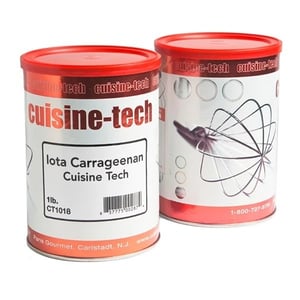
For softer, more flexible gels, Iota Carrageenan is a red-seaweed-derived option suited to applications such as creamy gels and dairy-based desserts.
Rather than memorizing every ingredient from scratch, it's worth reading Cuisine Tech's own guide, The Science of Texture: Gelling & Thickening Agents for Chefs. It's a breakdown of all major gelling and thickening agents, which maps out how each ingredient reacts to heat, acid, and ions in more depth.
How Should Chefs Choose the Right Texturizing Ingredient?
The right texturizing ingredient depends on four practical questions: does it need to survive reheating, how does it react to acid or calcium, what mouthfeel are you after, and does it need to be vegan, gluten-free, or otherwise allergen-friendly.
Answering those first narrows the list fast. Why guess and retest three times when the ingredient spec can tell you upfront?
- Heat stability: Agar and iota carrageenan hold their set under heat; gelatin and thermo-reversible pectin soften again, which matters if a dish will be reheated or served warm.
- Activation trigger: Sodium alginate needs calcium to set; agar and carrageenan need heat; xanthan gum needs neither, since it thickens on contact.
- Mouthfeel goal: A firm, sliceable gel calls for a different ingredient than a soft, creamy set or a pourable, stabilized sauce.
- Dietary requirements: Agar, pectin, sodium alginate, and xanthan gum are all plant-derived, which makes them useful substitutes when a menu needs to stay vegan or avoid gelatin.
Our Take: Most kitchens don't need a shelf of a dozen texturizing ingredients. They need two or three they understand well enough to adjust on the fly, which is usually more valuable than chasing every new hydrocolloid on the market.
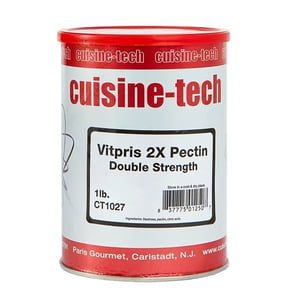
Explore Cuisine Tech’s Pectin Options →
Building Texture Into Every Dish, On Purpose
Xanthan gum, agar, pectin, and the rest of the hydrocolloid toolkit give chefs a way to control texture with the same precision they already bring to flavor and plating. The ingredient matters less than understanding how it sets, what triggers it, and what mouthfeel it delivers, since that's what turns a good dish into one that's memorable to eat.
Talk to Cuisine Tech's team about which texturizing ingredients fit your menu and get sample sizing for your kitchen.