
- By Charlotte Brown
- December 18, 2025
Today’s pastry landscape demands more than traditional techniques—and more than traditional sugar. As menus evolve and production methods become increasingly precise, chefs are turning to advanced sugar alternatives to fine-tune sweetness, enhance stability, and unlock new levels of texture and refinement.
The most versatile sugar alternatives for baking in a modern pastry kitchen are Sorbitol, Trehalose, and Dextrose. Each offers its own functional benefits, from moisture control to freeze–thaw resilience, giving chefs the ability to solve technical challenges while pushing creative boundaries.
In this guide, we’ll explore how these ingredients work, when to use them, and why they’ve become essentials for pastry professionals.
Why Pastry Chefs Use Sugar Alternatives For Baking
While sucrose remains a foundational ingredient in pastry, it isn’t always the most functional choice for today’s production demands. It comes with limitations, especially as chefs pursue greater control over texture, stability, and shelf life.
Sucrose’s fixed sweetness level can overpower delicate flavors. Its predictable caramelization curve doesn’t always align with modern cooking techniques. And because sucrose is naturally hygroscopic, it can create challenges with moisture migration, causing specific preparations to dry out or lose their intended texture over time. For items that must withstand extended display or frozen storage, these constraints quickly become apparent.
This is where advanced sugar alternatives shine.
Ingredients like Sorbitol, Trehalose, and Dextrose offer a range of functional benefits that allow chefs to shape how a product behaves throughout mixing, cooking, storing, and serving.
Key advantages include:
- Controlled sweetness
Adjust intensity to highlight flavors rather than mask them. - Enhanced moisture retention
Support softer textures, prevent drying, and extend the life of high-moisture fillings. - Crystallization management
Maintain smoothness in ganaches, creams, and sugar-based preparations. - Texture and mouthfeel refinement
Achieve lighter, creamier, or more elastic results depending on the application. - Freeze–thaw stability
Essential for modern frozen desserts, pre-assembled pastries, and make-ahead components.
Sugar alternatives give chefs the freedom to design desserts with intention, ensuring every component performs exactly as envisioned, from the first bite to the last.
3 of the Most Popular Sugar Alternatives for Baking
Among the wide range of modern sugar alternatives available, a few stand out for their reliability, versatility, and ability to solve common production challenges.
Below are three chef-trusted options that consistently enhance texture, stability, and overall product quality.
1. Sorbitol: The Moisture Manager
What Sorbitol Is:
Sorbitol is a polyol (sugar alcohol) known for its mild sweetness and exceptional humectant properties. It’s prized for its ability to bind and retain moisture without dramatically increasing sweetness levels.
Functional Benefits:
- Controls water activity
- Maintains softness in baked goods
- Prevents drying in ganaches, fillings, and pâte de fruit
- Reduces crystallization in sugar work
Best Uses in Pastry:
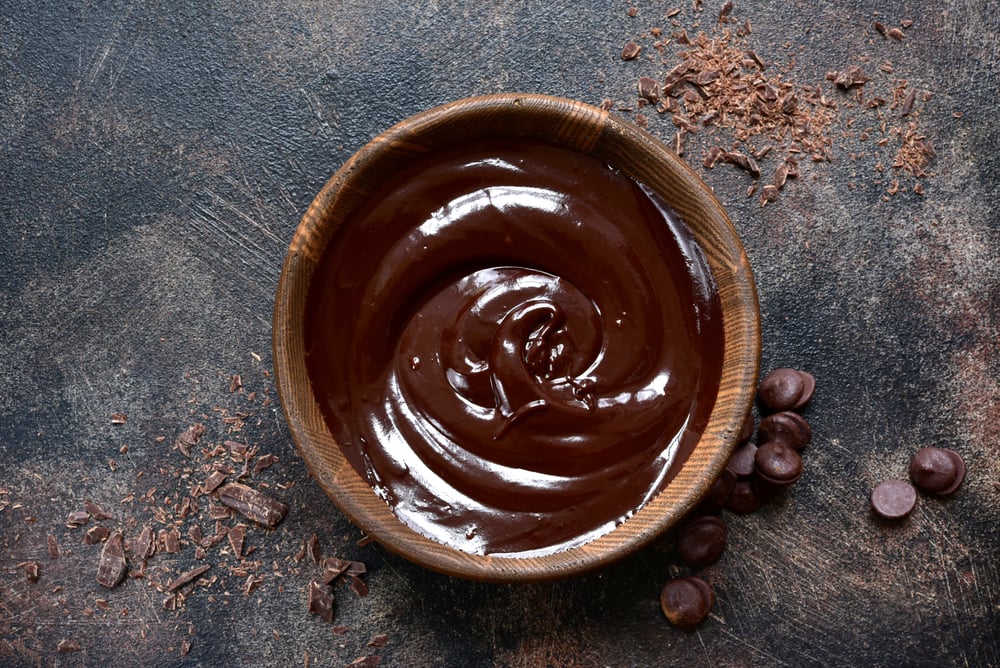
- Ganaches and truffles
- High-moisture cake applications
- Frozen desserts requiring texture protection
- Items needing extended shelf stability
Sorbitol gives chefs the confidence that their creations will remain supple, creamy, and consistent—whether served the same day or stored for later use.
2. Trehalose: The Flavor Protector
What Trehalose Is:
Trehalose is a naturally occurring disaccharide (simple sugar/carbohydrate) valued for its clean, subtle sweetness and remarkable ability to stabilize delicate structures. Unlike sucrose, it contributes only mild sweetness, making it ideal for applications where flavor clarity is essential.
Functional Benefits:
- Supports superior freeze–thaw stability
- Preserves flavor integrity in fruit- and dairy-based preparations
- Helps prevent protein denaturation in custards and creams
- Contributes to smoother, more resilient textures in mousses and aerated desserts
Best Uses in Pastry:
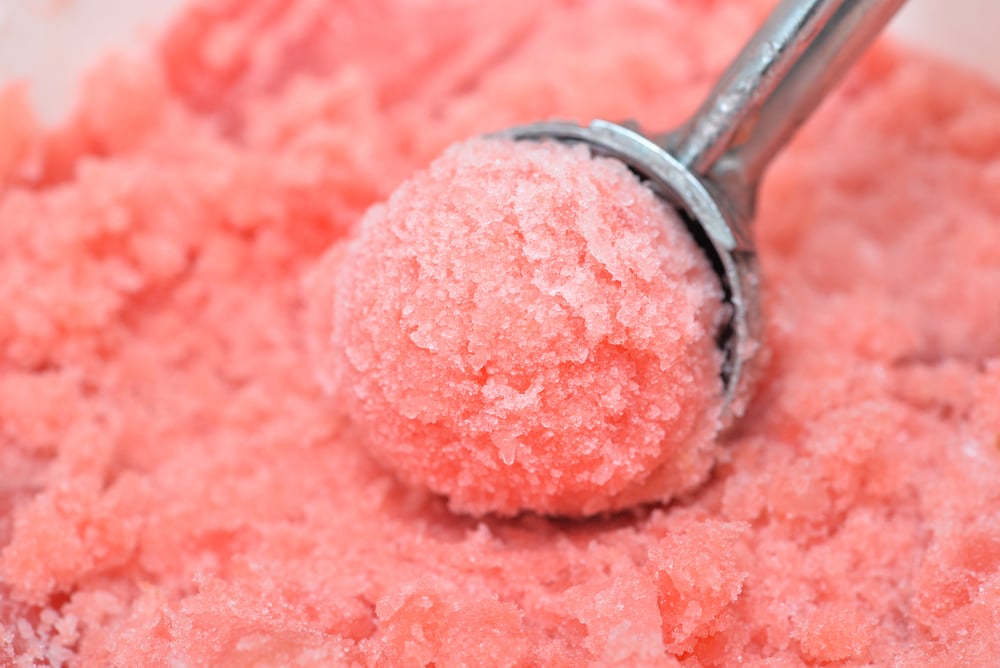
- Ice creams, sorbets, and semifreddo
- Mousses, crémeux, and other aerated preparations
- Fruit-based desserts and glazes
- Preparations where pure, expressive flavor is a priority
Trehalose's stabilizing properties help maintain the intended texture and flavor of a dessert, even after freezing or extended holding.
3. Dextrose: The Precision Sweetener
What Dextrose Is:
Dextrose is a simple sugar (glucose) that offers a lower sweetness level than sucrose, along with high reactivity. Its ability to influence freezing point, browning, and mouthfeel makes it one of the most versatile functional sugars in a chef’s toolkit.
Functional Benefits:
- Controls sweetness while maintaining body and structure
- Enhances caramelization and browning in baked goods
- Improves scoopability and softness in frozen desserts
- Lowers freezing point for smoother, more refined textures
Best Uses in Pastry:
- Ice creams, sorbets, and other frozen desserts
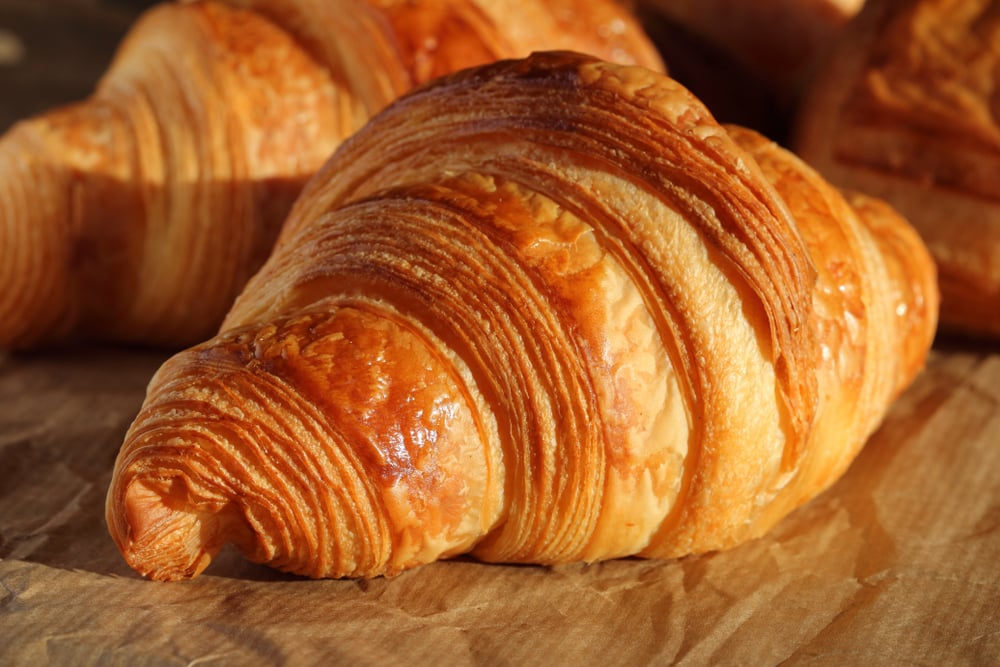
- Viennoiserie and laminated doughs
- Caramelized or browned preparations
- Applications that require controlled sweetness and enhanced color development
Dextrose is often the go-to choice for chefs seeking precision—especially when working with frozen components or baked goods that rely on consistent browning and balanced sweetness.
How To Choose the Right Sugar Alternative for Your Application
Selecting the right sugar alternative begins with understanding how each ingredient behaves—both on its own and in combination with others.
Below is a practical guide to help you choose the best option for your specific technique or recipe.
Quick Reference: How Sorbitol, Trehalose, and Dextrose Perform
|
Ingredient |
Relative Sweetness |
Hygroscopicity (Moisture Control) |
Freezing Point Impact |
Key Stability Behaviors |
Best Uses |
|
Sorbitol |
Very low |
High (excellent humectant) |
Minimal |
Reduces crystallization; maintains softness |
Ganaches, fillings, cakes, frozen desserts |
|
Trehalose |
Low |
Moderate |
Mild |
Stabilizes proteins; protects delicate textures; enhances freeze–thaw stability |
Mousses, ice creams, glazes, fruit-based desserts |
|
Dextrose |
Low–medium |
Moderate |
Strong (lowers freezing point) |
Enhances browning; improves scoopability |
Frozen desserts, viennoiserie, caramelized items |
How To Substitute Regular Sugar With Alternatives with Precision
While these ingredients can often be used as substitutes for sucrose, they are not exact one-to-one replacements. To ensure success:
- Start with partial replacements.
Substitute 10–30% of sucrose with Sorbitol or Trehalose to adjust sweetness and improve stability without altering structure too drastically. - Balance functionality and sweetness.
Dextrose is significantly less sweet than sucrose. When reducing the sweetness of a dessert is the goal, it works beautifully—but flavor balance should always be tested. - Combine ingredients intentionally.
Many pastry chefs blend sugar alternatives to achieve complementary effects—such as pairing Trehalose (for structure) with Dextrose (for freeze management) in frozen desserts. - Watch for water activity changes.
Sorbitol’s strong humectancy can soften textures more than expected if overused. Moderate amounts create the best results. - Account for browning differences.
Dextrose browns more quickly than sucrose. Adjust oven temperatures or baking times as needed.
Application-Based Recommendations
- For creamy, stable ganaches:
Start with Sorbitol to maintain moisture, reduce crystallization, and keep the texture smooth over time. - For bright, clean-flavored fruit sorbets:
Blend Trehalose and Dextrose—Trehalose protects delicate fruit flavors, while Dextrose lowers the freezing point for a silky, scoopable texture. - For plated desserts requiring freeze–thaw stability:
Use Trehalose to maintain aeration, prevent weeping, and preserve clean flavors. - For viennoiserie with better browning and extended softness:
Add Dextrose to enhance color and Sorbitol to help retain moisture. - For shelf-stable confections or fillings:
Choose Sorbitol for its strong moisture-control properties and ability to keep textures supple.
With an understanding of how each ingredient behaves, pastry chefs can fine-tune recipes to achieve better flavor expression, a longer shelf life, and more consistent results.
Elevate Your Pastry Program with Sugar Alternatives From Cuisine Tech
Modern pastry demands ingredients that deliver precision, reliability, and creative freedom. Cuisine Tech was built for precisely this purpose.
As a comprehensive source for technical and contemporary cookery ingredients, the brand provides the functional tools—binders, stabilizers, emulsifiers, hydrocolloids, and advanced sugars—that allow chefs to bridge science and flavor with confidence.
Featured Sugar Alternatives:
Sorbitol – A sugar alcohol derived from the reduction of dextrose. Exceptional humectant properties make it ideal for controlling moisture and preserving texture.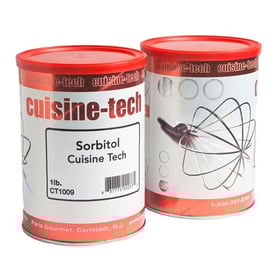
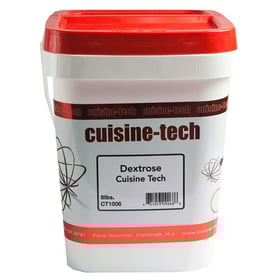
Dextrose – A refined dextrose monohydrate with mild sweetness and natural flavor enhancement. Useful for lowering freezing points, improving browning, and achieving balanced sweetness.
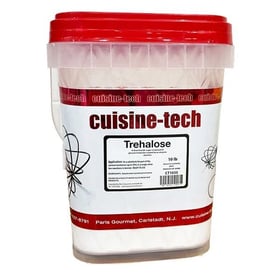
Trehalose – A naturally occurring sugar produced from starch via enzymatic processing. With half the sweetness of sucrose, it enhances flavor balance, stabilizes proteins, improves texture, and extends shelf life—especially valuable in frozen and delicate preparations.
Together, these ingredients support the modern chef’s need for stability, structure, and expressive flavor.
Explore more Cuisine Tech products and technical resources to keep your program at the cutting edge.
Transform Your Pastry Production with Smarter Sweetening
Sugar alternatives aren’t simply substitutes—they’re essential tools for shaping texture, managing stability, and refining sweetness in today’s pastry landscape.
By incorporating ingredients like Sorbitol, Trehalose, and Dextrose, chefs gain the ability to fine-tune recipes, improve shelf life, optimize frozen performance, and highlight flavor with greater precision.
Explore Cuisine Tech’s complete line of functional ingredients to unlock new levels of performance, creativity, and consistency in your pastry kitchen.